# Premium Patch Digitizing USA: Professional Artwork
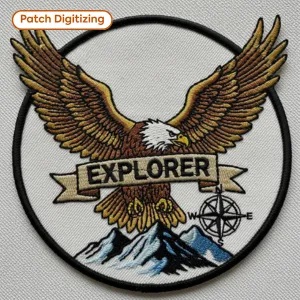
In custom embroidery, the quality of a finished patch begins long before the embroidery machine starts stitching. Artwork that looks clear and detailed on a computer screen may require careful preparation before it can produce an accurate embroidered result.
***[Premium Patch Digitizing USA](https://zdigitizing.com/patch-digitizing-service/)*** focuses on converting artwork, logos, lettering, and illustrations into embroidery files that are suitable for professional production. Patch digitizing is a specialized process that translates visual artwork into a series of stitches that an embroidery machine can read.
The process involves selecting appropriate stitch types, setting stitch density, planning stitch direction, creating suitable underlay, and assigning thread colors. Each decision can affect the appearance, durability, and production efficiency of the finished patch.
## Why Professional Patch Digitizing Is Important
Digital artwork and embroidery are two different formats. An image can contain extremely fine details, subtle shading, and small lettering that may not translate directly into thread.
Professional digitizing adapts the artwork to the practical requirements of embroidery while preserving its important visual elements.
Small text may need adjustments to remain readable. Thin lines may require changes so they do not disappear during stitching. Large filled areas need suitable stitch density to avoid excessive thread buildup, while open areas must have enough coverage to prevent unwanted gaps.
Proper stitch sequencing is also important. When stitches are arranged logically, the design can maintain better alignment and produce a cleaner result. Careful planning can also reduce unnecessary thread changes, jumps, and trims during production.
## Benefits of Premium Patch Digitizing USA
Professional patch digitizing provides several benefits for people and organizations that need consistent embroidered designs. One major advantage is accuracy. A carefully prepared embroidery file can reproduce important details of artwork more reliably across multiple patches.
Another benefit is improved stitch quality. Appropriate density helps prevent designs from becoming excessively heavy, while suitable underlay creates a stable foundation for the upper stitches. Stitch direction can also influence the texture and visual definition of different sections of a design.
Professional digitizing can also support production efficiency. A properly organized file gives embroidery machines clear instructions about stitch placement, sequence, color changes, and other production details. This can help reduce avoidable embroidery problems and make the production process more predictable.
## How to Choose a Patch Digitizing Service
When selecting a patch digitizing service, consider more than the advertised price. Review the quality of previous work, available file formats, expected turnaround time, revision options, and customer support.
A useful portfolio should demonstrate experience with different types of artwork, including lettering, logos, detailed illustrations, borders, and designs containing both large and small elements. Clear communication is also important because patch size, fabric type, embroidery method, and intended use can influence digitizing decisions.
It is also helpful to provide the original artwork in the clearest available format. Better source artwork can make it easier for a digitizer to understand shapes, colors, lettering, and other design details.
## What Makes a Digitized Patch File Effective?
An effective embroidery file balances visual accuracy with practical stitch construction. It should reproduce the important characteristics of the original artwork while remaining suitable for the intended embroidery process.
The best results usually come from considering the complete production process rather than focusing only on the appearance of the digital file. Patch dimensions, fabric, thread selection, machine capabilities, and design complexity can all influence the final result.
## Conclusion
Premium Patch Digitizing USA provides an important step between digital artwork and finished embroidery. Professional digitizing transforms artwork into carefully structured embroidery files while considering stitch types, density, direction, underlay, sequencing, and machine compatibility.
Whether the design is intended for uniforms, sports apparel, promotional clothing, fashion items, or personal patches, accurate digitization can contribute to better consistency and production quality.
Choosing a service based on technical quality, communication, file compatibility, and previous work can help ensure that the final embroidered patch accurately represents the original design.
## FAQs About Patch Digitizing
### What is patch digitizing?
Patch digitizing is the process of converting artwork into a machine readable embroidery file. The file contains instructions that tell an embroidery machine how and where to place stitches.
### Which file formats are commonly used for embroidery?
Common embroidery formats include DST, PES, EXP, and JEF. The appropriate format depends on the embroidery machine and software being used.
### Can any image be converted into an embroidery design?
Most artwork can be prepared for embroidery, but some designs require modifications. Very small text, extremely thin lines, intricate details, and complex shading may need adjustments to produce a clear stitched result.
### Why is stitch density important in patch digitizing?
Stitch density affects coverage, texture, weight, and durability. Too many stitches can create excessive thread buildup, while insufficient density can leave gaps or weaken visual definition. Proper density helps create a balanced and consistent embroidered design.