# Dental Tools: Essential Instruments for Modern Dental Care
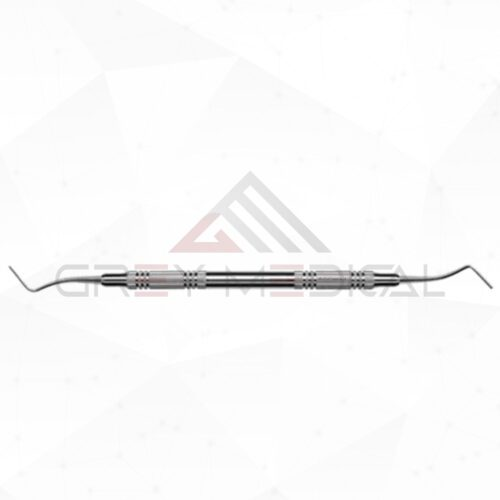
Dental tools are essential instruments used by dental professionals to examine, diagnose, clean, restore, and treat teeth and surrounding oral structures. **[Dental tools](https://grey-medical.com/product-category/dental-instruments)** are designed to provide dentists with precision, control, and visibility during routine checkups as well as complex dental procedures. High-quality instruments can support efficient clinical workflows while helping professionals perform delicate tasks with greater accuracy.
## Common Types of Dental Instruments
Different dental procedures require specialized instruments with specific shapes and functions. Dental mirrors help dentists view areas that may be difficult to see directly, while dental explorers are used to examine tooth surfaces and identify irregularities. Forceps are commonly used during tooth extraction, whereas scalers and curettes assist with removing plaque and calculus. Other instruments, such as elevators, probes, excavators, and needle holders, are designed for specific procedures and clinical applications.
## Importance of Quality and Precision
The quality of **dental tools** can have a direct impact on handling, precision, and procedural efficiency. Dental instruments should be manufactured from durable materials that can withstand repeated cleaning, sterilization, and professional use. Smooth surfaces, comfortable grips, precise working ends, and reliable construction are important characteristics for instruments used in demanding dental environments. Properly selected instruments can also help dental professionals maintain consistency throughout different procedures.
## Dental Tools for Different Procedures
Modern dentistry includes preventive, restorative, surgical, orthodontic, and cosmetic procedures, each requiring appropriate instruments. Preventive treatments may involve examination instruments and periodontal tools, while restorative dentistry can require excavators, condensers, and carving instruments. Oral surgery may require extraction forceps, elevators, retractors, and surgical scissors. Selecting the right **dental tools** for each application allows professionals to work more effectively and maintain the precision required for patient care.
## Choosing Professional Dental Instruments
When selecting **[dental surgery instruments](https://grey-medical.com/product-category/dental-instruments/dental-surgery-instruments)**, dental professionals should consider factors such as material quality, instrument design, intended application, durability, and ease of sterilization. Instruments should be suitable for the procedure and comfortable to handle during extended clinical use. Reliable manufacturing standards are also important when building a professional dental instrument collection. Whether equipping a dental clinic or replacing existing instruments, choosing dependable **dental tools** can support efficient procedures and long-term value.
## Why Professional Dental Tools Matter
A well-organized selection of **dental tools** helps dental professionals address a wide range of clinical requirements. From basic examinations to specialized oral procedures, every instrument has a particular role in supporting accuracy and control. Investing in dependable instruments can contribute to smoother workflows, consistent performance, and professional standards across dental practices.
## Conclusion
Dental care depends on instruments that combine precision, durability, and practical design. From diagnostic instruments to extraction and surgical equipment, the right tools help professionals perform procedures efficiently and confidently. GreyMedical®️ is a privately owned medical technology company dedicated to innovation and excellence in the craft of surgical instruments. By focusing on quality and professional requirements, dental practices can select instruments that support reliable performance across everyday and specialized dental procedures.